
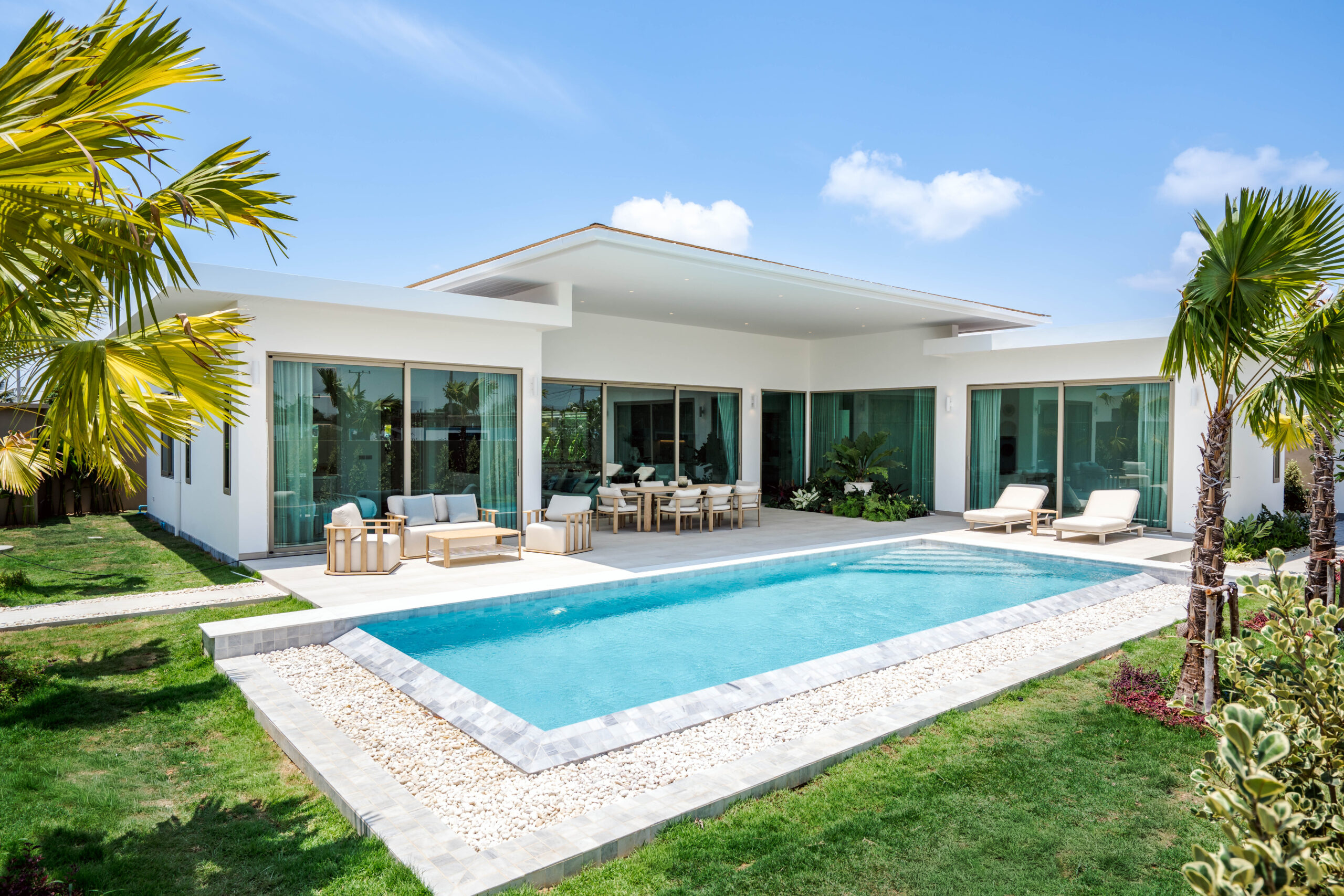
Buying property in Thailand as a foreigner is entirely possible, very common, and — done properly — straightforward. Hundreds of thousands of foreigners own homes here. But Thailand’s property laws work differently from those back home, and the rules around land ownership in particular are widely misunderstood (and, lately, more strictly enforced). This guide gives you the honest, current picture: what you can own, how freehold and leasehold really work, what it costs, and the step-by-step process to buy with confidence.
Can Foreigners Buy Property in Thailand?
Yes — with one key distinction. Under Thai law, only Thai nationals can own land. Foreigners can freely own the building on the land, and can own a condominium unit outright (freehold) in their own name. For a house or villa, you own the structure and secure the land beneath it through a long-term lease. Once you understand that land/building split, everything else falls into place.
What You Can Actually Own
- A condominium unit — freehold, in your own name, subject to the building’s foreign-ownership quota (below).
- A house or villa (the building) — outright, while the land is held on a registered lease.
- Land — not directly, as a foreigner. This is the rule everything else works around.
Freehold vs Leasehold: The Honest Picture
This is the most important — and most misrepresented — part of buying in Thailand. Here’s how the options really stand today.
Condominium freehold
The cleanest route. Under the Condominium Act, foreigners can own condo units freehold, provided the total foreign-owned area doesn’t exceed 49% of the building’s saleable space. Simple, secure, and in your own name. If you want true freehold ownership, buy a condo.
Leasehold (for houses and villas)
The standard, legitimate way for a foreigner to secure land for a home. You take a registered lease, with a maximum term of 30 years under Thai law. In practice, developers and most sellers contractually offer one or two further 30-year renewals (60 or 90 years total), and resale buyers are typically granted a fresh lease.
Be aware, honestly: only that first 30 years is guaranteed by law. Renewal clauses are contractual promises, not automatically enforceable against a future landowner. A good lawyer will structure the lease to protect you as far as possible — but you should go in understanding what is and isn’t ironclad.
The Thai company route — proceed with caution
You’ll hear about setting up a Thai limited company (majority Thai shareholders, with you as Managing Director) to hold land as “freehold.” For years this was the common workaround, and the authorities largely turned a blind eye.
That has changed, and this is where you need the truth: using Thai nominee shareholders — people who hold shares on your behalf without genuinely owning or funding them (the old arrangement with undated resignation letters) — is illegal under Thai law, and the government has recently begun actively enforcing against it. A company can legitimately own land only if its Thai shareholders genuinely own and finance their shares. In reality, very few buyers have shareholders with the real means to do that, so for most people this route is no longer advisable. If you’re set on it, it must be done as a genuine company with proper legal advice — never as a nominee shell.
(A Thai spouse can own land in their own name, though the Thai authorities will require a declaration that the funds are the Thai spouse’s. Discuss this with a lawyer too.)
Types of Property
Condominiums — the most straightforward for foreign buyers, with a “lock-and-leave” lifestyle, shared pools, gyms and 24-hour security. Ideal for buyers who want simplicity and low maintenance.
Villas and houses — more space, privacy and the freedom of a private garden or pool, usually secured via leasehold. Best for those wanting a traditional home environment.
Golf-course and gated estates — Thailand, and Hua Hin especially, has world-class golf communities (Black Mountain, Banyan and others) offering premium villas, strong facilities and a real sense of community.
The Buyer’s Journey: Step by Step
- Define your needs and budget. Fix your non-negotiables — beach, golf, healthcare access — and set a budget that includes closing costs (typically 2–6% of the price).
- Engage a reputable agent. A good local agent curates listings, shares honest market insight and advocates for you on the ground.
- View properties and scout locations. Visit at different times of day; assess access, traffic and proximity to daily needs.
- Due diligence — the critical step. Once you’ve chosen a property, your independent lawyer runs a title search, checks permits and the developer’s history, confirms the condo’s foreign-ownership quota, and scrutinises any lease.
- Make an offer and reserve. Negotiate, then sign a reservation agreement with a small, usually refundable deposit to take it off the market.
- Appoint a lawyer and finalise contracts. Your lawyer drafts or reviews the Purchase & Sale Agreement (condo) or Lease Agreement (villa). Don’t sign until your lawyer approves it.
- Transfer funds and ownership. Purchase funds must be sent into Thailand from abroad in foreign currency; your Thai bank issues a Foreign Exchange Transaction (FET) form, which the Land Department requires to register the property. Your lawyer oversees the final transfer at the Land Department.
Due Diligence: The Questions Your Lawyer Must Answer
Your lawyer works for you. Make sure they answer these definitively:
- Does the property have a correct, unencumbered title deed (Chanote)?
- For a condo, is the 49% foreign-freehold quota available?
- Are there any outstanding debts or mortgages registered against it?
- Are the seller’s ownership rights legitimate?
- For a villa, what are the exact lease terms — renewal clauses, succession rights?
- Are all building permits and environmental approvals in order?
The Costs of Buying
- Closing costs: roughly 2–6% of the price (transfer fee, stamp duty, and specific business tax where it applies). Who pays which portion is often negotiable, but it is almost always split 50/50 between the buyer and seller — and exact rates should be confirmed by your lawyer, as they change.
- Legal fees: in Hua Hin, typically 40,000–70,000 THB, and most lawyers offer a free initial consultation.
- Company upkeep (if that route ever applies): around 50,000 THB to set up and 15,000–25,000 THB/year in accounting — another reason it rarely makes sense for a simple home purchase.
Choosing Where to Buy
Thailand offers distinct markets — Bangkok, Phuket, Chiang Mai, Koh Samui, Pattaya and Hua Hin among them — each with its own character and price profile. Hua Hin, our home market, stands out for foreign buyers: a calm, well-run royal resort town with strong infrastructure, excellent healthcare, world-class golf and a stable, established community. For a detailed look at neighbourhoods and lifestyle there, see our .
Resale and Your Exit Strategy
Even if you’re buying your “forever home,” buy with resale in mind. Properties in well-run developments, in desirable locations, with clean and secure title — a freehold condo or a properly structured lease — are always the easiest to sell on. Thailand’s steady, demand-backed market works in your favour here.
Frequently Asked Questions
Can a foreigner buy a house with land in Thailand?
You can own the house (the structure), but not the land. The secure, legal route is a long-term registered lease on the land (typically 30 years). An independent lawyer is essential to protect your interests.
Is the Thai-company route still safe?
Only if it’s a genuine company whose Thai shareholders truly own and fund their shares. Nominee arrangements are illegal and are now being enforced against, so for most buyers a condo (freehold) or a properly drafted lease is the safer choice. Always take legal advice.
What are the typical closing costs?
Usually 2–6% of the purchase price — transfer fees, stamp duty and, where applicable, specific business tax. Exact figures should be confirmed by your lawyer at the time of purchase.
Do I really need a lawyer?
Yes. An independent lawyer is your single most important safeguard — for due diligence, title verification, contract review and correct registration. Don’t rely on the seller’s or developer’s legal team.
How long does the process take?
Typically 30–60 days from offer to final transfer, depending on the deal’s complexity.
This guide is general information, not legal advice. Property and ownership laws in Thailand change and depend on your circumstances — always engage a qualified, independent Thai property lawyer before you buy.